 EN
EN


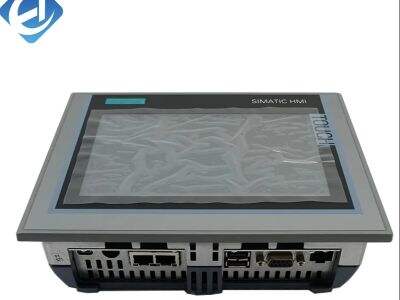
Understanding how to connect field sensors to analog input and output systems are important for people working in industrial places. At Taofa, we knows that make these systems work good together helps everything run smooth. When field sensors send signals, they helps machines know what happen in their surround. This article look at what make analog input compatible with field sensors and how make sure the output from sensors can used well
What Factors Influence Analog Input Compatibility with Field Sensors
When connect field sensors to analog inputs, some factors come play. First the type of signal is very crucial. Sensors can send different signals like voltage or current. For example one sensor give 0-10 volts, another send 4-20 mA current signal. If analog input cannot read that type signal, then it wont work proper. Next the range of signal matter too. Each sensor have specific range it can send. If input set to different range, it can miss some data
And impedance of sensors and inputs another key thing. Impedance like resistance to electric flow. If mismatch happen, it can give wrong readings or even damage sensors or equipment. Temperature also affect sensor readings sometime. Like if sensor made for certain temp, too hot or too cold can make performance bad
Lastly wiring and connections important. Poor connection lead to noise in signal which confuse system. At Taofa we recommend use good cables and connectors to reduce problems. By look at these factors you can make sure analog input compatible with your field sensors. This way data you get usually accurate and reliable
How to Ensure Seamless Analog Output with Your Field Sensors
To make analog output from field sensors work well, several steps need follow. First important set up output signal correct. If sensor suppose output voltage, make sure receiving system can read that voltage range. Sometime sensors can set to different modes like voltage or current so check settings. Next make sure sensors calibrated proper. Calibration help sensor give accurate readings. If not calibrated it might send signals too high or too low. Check calibration regular can prevent issues
Another point consider load that output drive. Load is what sensor connect to like display or control system. If load too heavy it can make output fail. Always check specs of sensor and load to see they match
Wiring play big role also. Use right wire type and make all connections secure. Loose ones can create noise or signal drop. Also keep wires far from interference sources like motors or other electric stuff
Lastly test whole system after setup. This confirm analog output work seamless. If problems, troubleshoot connections and settings can find issue. At Taofa we dedicated help you make reliable connection between field sensors and analog outputs for smooth work in industrial place
What Common Issues Arise with Analog Input and Output in Field Sensors
When talk about analog input output in field sensors sometime things not work as expect. These issues cause problem collect info from sensors that help understand environment. One common is noise like static on radio. It interfere signals sensor send Happen when other machines near or wires too long. If noise strong data from sensor become unreliable. Another problem signal loss when signal weak through wires. If wires not right type or damaged info reach device incomplete. Also if sensor and device not match voltage levels this lead errors. For instance sensor send too high signal for device it could damage or not read at all. Temperature play role too. Sensors too hot cold may not work correct lead wrong readings. Lastly calibration issues can come. If sensor not calibrated proper data not reflect real situation. At Taofa we aim solve these so sensors work reliable in different condition
How to Maximize Performance of Analog Signals in Field Sensor Applications
To make analog signals from field sensors work good there several things do. First use right type wires very important. Good quality wires reduce noise and signal loss. Shielded cables often recommend because protect signals from outside interference This make info sensors send clearer accurate. Another step keep distance between sensor and device short possible. Longer distance more chance signal weak. If cannot shorten use signal boosters help make stronger
Also essential use filters remove noise from signals. Filters clean data so device understand better. Calibrating sensors regular critical step. Check sensors give right readings and adjust if need. Regular maintenance sensors and devices help find problems early. At Taofa we suggest use devices have built-in error detection. This way if wrong device alert user. Lastly training staff how handle install sensors correct make big difference. When everyone know use sensors proper whole system work better
What Makes Analog Input/Output Critical for Effective Sensor Integration
Analog input output play vital role how sensors work together in system. When sensors provide data devices understand it help make complete picture what happen in environment. This call sensor integration. Good integration let different sensors communicate well share info quick accurate. For example temperature sensor and humidity sensor work together give fuller understand weather. Especial important in industries like agriculture know exact condition help make better decisions. Another reason analog input output critical allow real-time monitoring. Changes in environment detect immediate. If something wrong like sudden temp change system alert user right away. At Taofa we understand effective sensor integration lead better performance This can improve safety efficiency productivity. Also analog signals often easier understand work with than digital in some applications. They represent wide range values ideal capture subtle changes environment. Overall analog input output essential ensure all sensors system work smooth provide users info need make informed decisions
Table of Contents
- What Factors Influence Analog Input Compatibility with Field Sensors
- How to Ensure Seamless Analog Output with Your Field Sensors
- What Common Issues Arise with Analog Input and Output in Field Sensors
- How to Maximize Performance of Analog Signals in Field Sensor Applications
- What Makes Analog Input/Output Critical for Effective Sensor Integration